
What Is a Mortise Lock and Why Do So Many Toms River Doors Still Have Them?
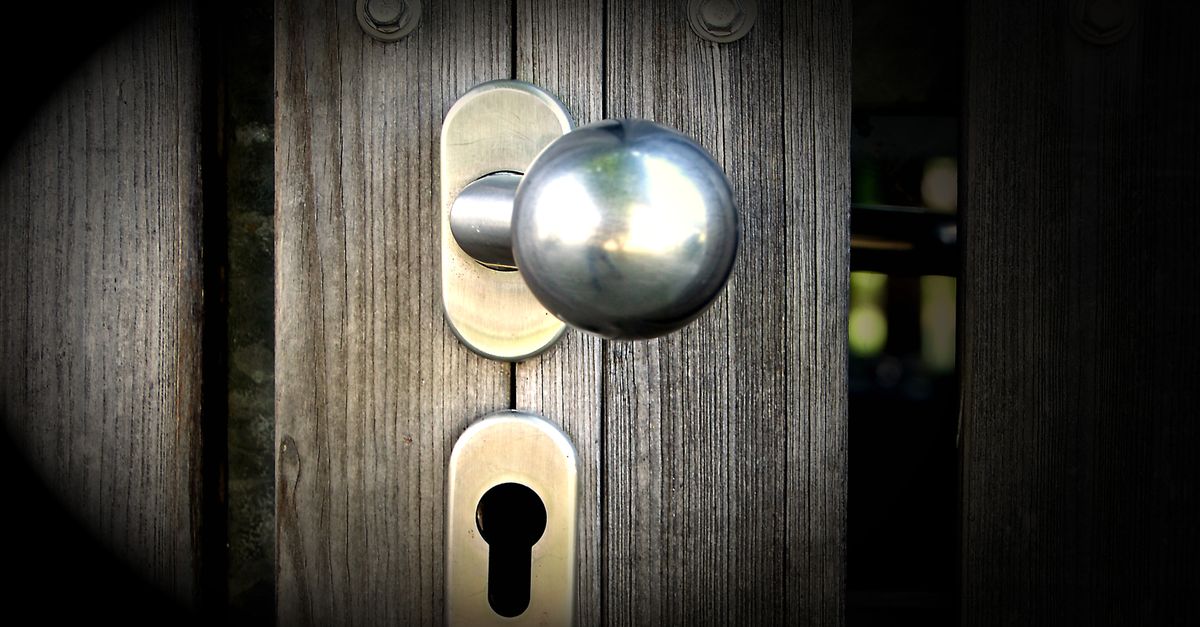
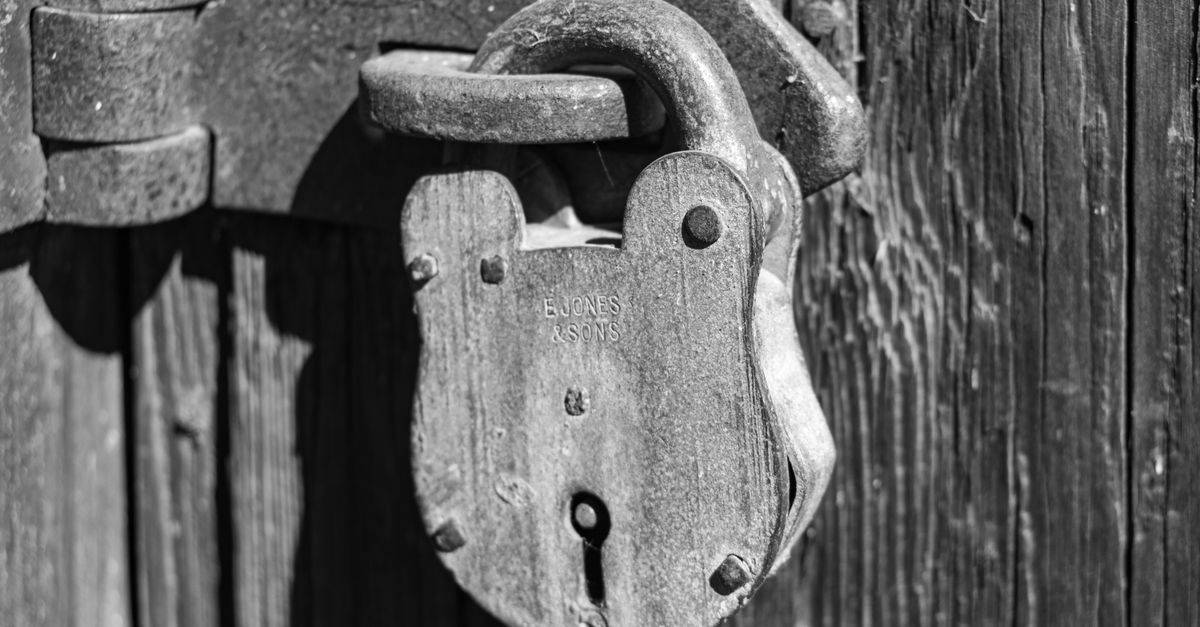
A mortise lock is a complete locking assembly — latch bolt, dead bolt, and often a privacy or passage function — all housed inside a single rectangular steel case that is recessed (mortised) into a pocket cut into the door's edge. Unlike a standard cylindrical lock, which just bores through the door face, the mortise case drops deep into the door body itself, distributing stress across a much larger area of wood or steel. That structural depth is why mortise hardware was the industry standard on American residential and commercial doors from roughly the 1880s through the 1960s, and why so many properties throughout Toms River still have working examples installed. Baldwin mortise lock sets are a common find on upscale mid-century homes in the area, prized for their solid brass construction and ornate trim. Corbin Russwin mortise lock hardware turns up frequently on older school buildings, medical offices, and public structures throughout Ocean County — known for its heavy-duty commercial-grade internals that were built to outlast the buildings themselves.
Understanding the anatomy of what you have on your door matters because repair strategy changes entirely based on the lock's generation, manufacturer, and condition. A spindle worn to the point where the knob rotates freely without retracting the latch needs a different fix than a frozen cylinder or a broken latch spring. Our technicians assess all of it on the spot — inspecting the case, the trim, the cylinder, and the door's strike plate alignment — before recommending repair versus full replacement. In many cases, a mortise lock that looks beyond saving just needs a thorough strip, clean, lubrication, and a new cylinder, which is considerably less disruptive to the door than a full swap.